
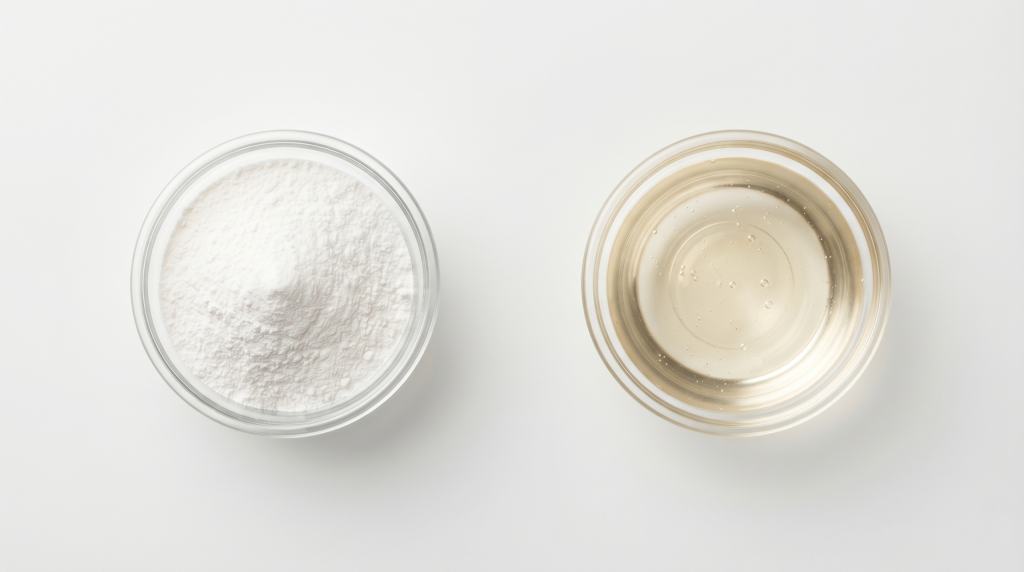
Soluble Corn Fiber is a high-performance dietary fiber made from corn starch. Through a controlled process, the starch is broken down into a highly soluble, low-viscosity prebiotic fiber called resistant dextrin. Because human enzymes cannot easily digest it, this ingredient delivers a very low glycemic response and has excellent digestive tolerance. It is a powerful tool for cutting sugar and boosting fiber across many types of food.
In the United States, it is a GRAS-affirmed (Generally Recognized as Safe) ingredient. Functionally, it works just like soluble tapioca fiber. However, it is an ideal alternative for food manufacturers who need a stable, corn-sourced, or price-optimized raw material supply.
Blue Highcrest supplies Soluble Corn Fiber manufactured under strict quality controls to ensure consistent physical and chemical properties. Review the standard technical parameters below:
| Parameter | Specification |
| Fiber Content | 90% min |
| Appearance | Fine white powder or clear syrup |
| Solubility | Fully soluble in water |
| pH Stability | 2 – 7 (acidic & alkaline products) |
| Heat Stability | Suitable for UHT, retort, extrusion |
| Glycemic Response | Low (resistant dextrin classification) |
| Shelf Life (Powder) | 36 months |
| Shelf Life (Syrup) | 24 months |
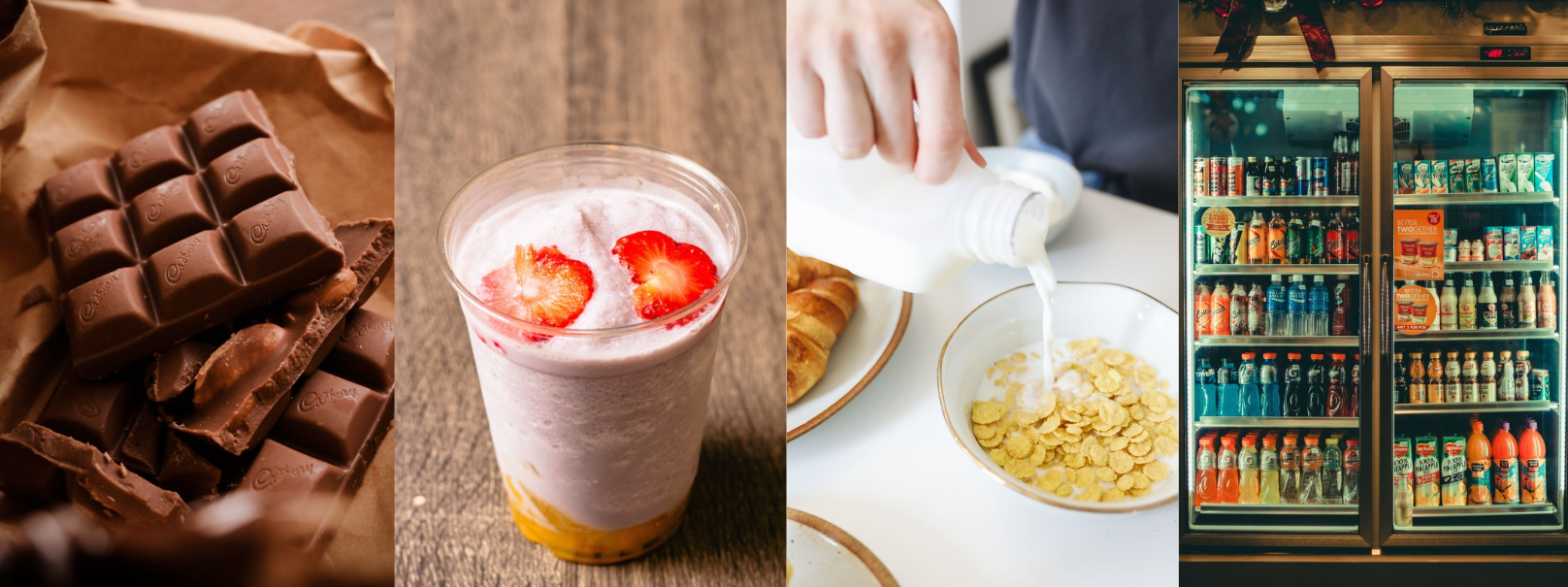
Confectionery (Gummies & Chocolates): Replaces sugar and adds bulk in low-calorie confections. It maintains the right chewiness, extends shelf life, and ensures clean flavor release without changing your production line setup.
Functional Beverages (RTD & Sports Drinks): Dissolves completely clear in water and sport mixes. It adds zero grittiness, keeps a low viscosity, and remains perfectly stable during high-temperature UHT processing.
Bakery & Snacks (Keto Bars & Baked Goods): Binds ingredients together and holds moisture in low-carb or ketogenic recipes. It replaces the bulk of sugar and flour while boosting your total dietary fiber metrics.
Dairy & Plant-Based (Yogurt & Milk Alternatives): Replaces the creamy mouthfeel of fat in reduced-calorie desserts, yogurts, and plant-based milks without masking subtle flavors.

Safe Manufacturing: Produced in modern facilities that strictly follow FSSC 22000 and HACCP food safety management systems.
Religious Certification: Certified Halal and Kosher batches are available upon request to meet global market requirements.
Full Documentation: Every single batch ships with a dedicated Certificate of Analysis (COA), Technical Data Sheet (TDS), and Material Safety Data Sheet (MSDS).
Regulatory Support: We provide complete technical data to ensure smooth market entry across the US, UK, EU, and Asia-Pacific regions.
At scale, corn-sourced resistant dextrin typically costs less than chicory root inulin or tapioca fiber. It allows you to reduce costs without losing any functional or processing performance.
With its neutral taste, low viscosity, and high solubility, you can add this fiber to almost any product. It blends into clear drinks or thick snack bars without altering taste or texture.
Blue Highcrest protects your business from market spikes through a structured supply chain and traceable sourcing. We offer stable pricing models built for long-term B2B food manufacturing partnerships.
A: Mechanically and functionally, both operate similarly as resistant dextrins that provide fiber enrichment and sugar reduction with minimal viscosity. The primary differences lie in the base raw material source and economic scale. Soluble corn fiber leverages a highly optimized, scalable corn supply chain, which often yields a more cost-effective position for large-scale production compared to tapioca. For specific compliance profiles, compare this directly with our [Soluble Tapioca Fiber] product page.
A: Yes. Because the chemical bonds in resistant dextrin resist human enzymatic digestion, it passes through the small intestine largely intact. This yields a negligible impact on blood glucose and insulin levels, making it a globally accepted, highly effective tool for formulating ketogenic, low-carb, and low-glycemic foods.
A: Optimal inclusion rates depend heavily on the matrix, targeted fiber grams per serving, and desired sugar reduction. Generally, usage levels range from 2% to 15% in functional beverages and up to 10% to 35% in dense food matrices like nutrition bars and reduced-sugar confectionery. Please consult our technical team for application-specific benchmarks.
A: Minimally. Soluble corn fiber possesses a neutral, slightly sweet taste profile with no off-flavors, and it dissolves into a completely clear solution. It does not alter the color, clarity, or sensory profile of clear liquids, delicate dairy systems, or baked goods.
A: While corn is globally classified as a high-GMO-risk crop, Blue Highcrest maintains dedicated, strictly identity-preserved supply chains. Non-GMO verified options are available to meet strict clean-label parameters and must be explicitly specified at the time of your inquiry or order placement to ensure proper batch allocation.