
For meat processors, R&D food technologists, and procurement managers, water retention is directly tied to factory profitability. Every gram of moisture lost in the smokehouse, cooking tunnel, or vacuum package reduces your finished saleable weight and dries out the eating experience for the consumer. For decades, factories solved this problem using chemical phosphates, carrageenan, soy isolates, and chemically modified starches.
Today, however, grocery buyers and consumers are aggressively rejecting artificial additives and major allergens on meat labels. By switching to high-purity native tapioca starch, meat processors can lock in moisture, maximize cook yields, and build a firm, juicy bite across sausages, deli meats, marinated poultry, and next-generation hybrid meat products all while keeping a 100% clean, allergen-free ingredient list.
Direct Answer: Native tapioca starch acts as a high-performance, clean-label water binder and texture enhancer in meat, poultry, and hybrid meat products. Because it gelatinizes at a low temperature (62°C–68°C) matching the exact coagulation window of meat proteins it traps natural juices during cooking, significantly boosts finished cook yields, eliminates purge inside vacuum packages, and replaces synthetic phosphates or modified starches.
The biggest technical mistake in meat formulation is using a starch that cooks at the wrong temperature. Standard cereal starches like native corn starch or wheat flour require high temperatures (often 75°C to 85°C) to fully swell and bind water.
In a commercial meat plant, deli hams, sausages, and poultry breasts are usually cooked to an internal core temperature of only 70°C to 74°C. As the meat heats up past 60°C, the natural muscle proteins (myosin and actin) begin to shrink and squeeze out water. If you use native corn starch, the starch granules have not even started to swell by the time the meat finishes cooking. The squeezed water simply drains out into the oven, ruining your yield, while the uncooked starch leaves a dry, chalky taste in the meat.
Native tapioca starch solves this problem because its natural gelatinization temperature is between 62°C and 68°C. The exact moment the meat proteins start to shrink and release their natural juices, the tapioca starch granules swell rapidly and drink up that free water. By the time the sausage or turkey breast reaches its final safe cooking temperature of 72°C, the tapioca starch is 100% cooked, locking the moisture permanently inside the meat matrix.
Major supermarkets in the US and Europe are tightening their rules on ultra-processed meat products. Ingredients like sodium tripolyphosphate (STPP), E1442 (modified starch), and soy protein concentrates are increasingly banned from premium retail tiers. You can see how these retail rules are changing procurement strategies in our guide on clean-label ingredient trends in US and EU food retail.
Transitioning to native tapioca starch allows you to clean up your label without taking a financial hit on factory yield:
Phosphate Reduction: While native starch does not change meat pH like chemical phosphates do, tapioca starch’s massive water-holding capacity physically traps the brine inside tumbled poultry and injected hams, allowing you to reduce or replace synthetic phosphates.
Eliminating E1442: Many processors rely on chemically cross-linked starches to survive high-shear bowl chopping and vacuum tumbling. However, properly selected native tapioca grades provide enough natural elasticity to handle meat processing without chemical modification. For exact conversion ratios, read our guide to replacing E1442 and modified starches with native tapioca starch.
Removing Soy and Wheat Allergens: Wheat binders and soy proteins force you to print bold allergen warnings on your packaging. Tapioca starch is 100% gluten-free, grain-free, and allergen-free, opening your meat products to school lunches, airline catering, and health-conscious families.
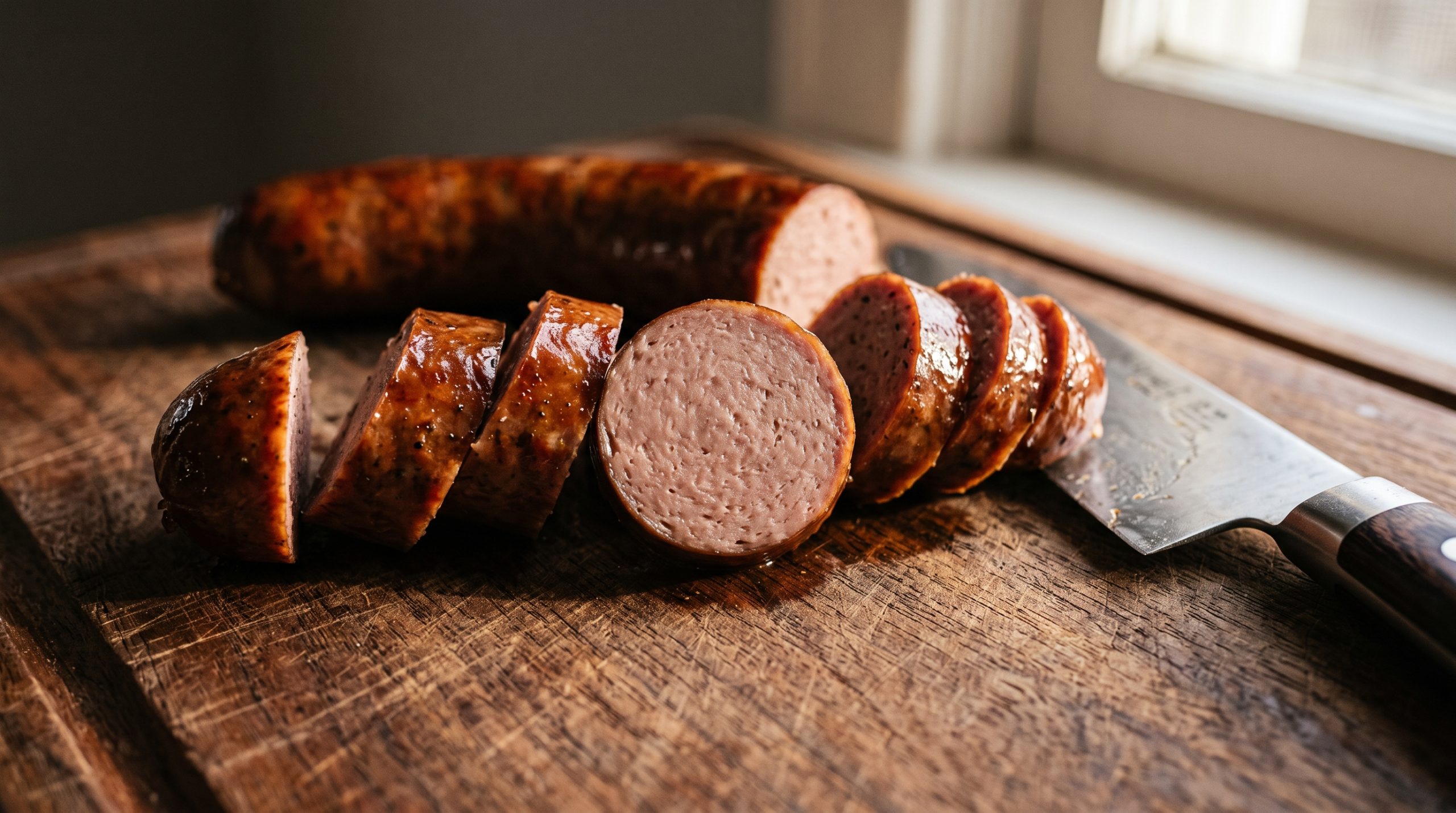
One of the fastest ways to lose a retail account is “purge” (also known as syneresis or water weeping). When sliced turkey breast, cooked ham, or frankfurters sit in refrigerated vacuum packs for weeks, poorly bound water slowly leaks out of the meat. This creates an unappealing, milky puddle of liquid inside the plastic pouch that turns shoppers away.
Because native tapioca starch has a very high ratio of branched amylopectin molecules (around 83%), it forms a flexible, elastic gel network that resists retrogradation (starch hardening and water squeezing in the cold). Even during long refrigerated storage or freeze-thaw cycles in frozen burger patties and meatballs, tapioca starch holds onto bound water tightly. Your vacuum packages stay dry and tight, and your sliced deli meats keep their glossy, fresh-cut sheen.
Furthermore, if your factory produces breaded chicken nuggets or battered tenders, pairing a tapioca-marinated meat core with a root-based outer coating stops moisture migration from the inside out. Learn how to pair these systems in our article on cassava flour in batter and coating systems for oil and crispness control.
One of the fastest-growing categories in commercial meat processing is hybrid meat blending 50% to 70% real beef, pork, or chicken with 30% to 50% vegetables, mushrooms, pulses, or plant proteins. Hybrid burgers, meatballs, and sausages allow brands to lower raw material costs, reduce saturated fat, and cut carbon emissions while keeping the real meat flavor consumers love.
However, blending plants and meat creates a serious binding problem. Chopped mushrooms, carrots, and hydrated plant proteins release a lot of loose water during cooking, and they do not knit together with animal fat the way pure muscle meat does. Without the right binder, a hybrid burger will crumble apart on the grill or feel mushy when chewed.
Native tapioca starch acts as the structural bridge between the animal protein and the plant inclusions:
Fat and Water Emulsification: In emulsified hybrid sausages or patties, tapioca starch traps both the watery vegetable juices and the melted animal fat inside a cohesive gel matrix.
Clean Bite and Snap: Unlike gums (like xanthan or guar), which can make hybrid meats feel slimy or gummy when eaten hot, tapioca starch sets into a firm, springy gel that mimics the natural “bite” and chew of cooked muscle fibers.
Zero Flavor Masking: Potato and corn starches can mute savory beef notes or add a heavy cereal taste. Tapioca starch is completely flavorless and cooks clear, letting the savory roasted meat flavors stand out.
To help your R&D and procurement teams select the most cost-effective binder, compare how native tapioca starch performs against traditional meat additives:
| Binder Ingredient | Gelatinization Temp | Refrigerated Purge Control | Sensory & Flavor Impact | Label & Allergen Status |
| Native Tapioca Starch | 62°C – 68°C (Matches meat perfectly) | Excellent (very low weeping) | Neutral taste; firm, juicy bite | 100% Clean Label (“Tapioca Starch”), Allergen-Free |
| Native Corn Starch | 75°C – 80°C (Too high for most meat cooks) | Poor (retrogrades and leaks water in cold) | Chalky mouthfeel; cereal off-notes | Clean Label, Allergen-Free |
| Native Potato Starch | 60°C – 65°C (Good thermal match) | Moderate (can break down under high shear) | Can carry a slightly earthy root taste | Clean Label, Allergen-Free |
| Soy Protein Isolate | N/A (Protein gelation) | High | Can add a “beany” aftertaste | Major Allergen (Soy) |
| Modified Starch (E1442) | 60°C – 68°C | Excellent | Smooth, slightly slick | Chemical Declaration (“Modified Food Starch”) |
If your process involves extreme retorting (such as canned meats cooked above 120°C), you should evaluate whether your line requires a native or modified grade by reviewing our native vs. modified tapioca starch application guide.
Integrating native tapioca starch into your existing meat processing line is straightforward and requires zero new equipment:
For Injected and Tumbled Whole Muscle (Poultry & Ham): Disperse native tapioca starch (typically 1.5% to 3.0% of finished weight) into cold brine water under agitation. Because native tapioca does not swell in cold water, it maintains a thin, low viscosity that passes easily through multi-needle injectors without clogging the needles. Keep the brine tank gently agitated so the starch stays suspended before injection.
For Emulsified Meats (Frankfurters, Bologna, & Sausages): Add the dry tapioca starch directly into the bowl chopper during the lean-meat and ice-chopping phase, before adding the fat. The cold temperature prevents premature swelling while the blades distribute the starch evenly throughout the meat batter.
For Formed Patties, Meatballs, and Hybrid Blends: Blend at 2.0% to 4.0% directly into the paddle mixer with your ground meat, vegetable inclusions, and seasoning rub to improve patty forming on automated stamping machines and minimize grill shrinkage.
Protecting your cook yields and upgrading your meat products to clean-label standards requires a starch supplier with strict microbiological and physical consistency. Blue Highcrest supplies commercial meat, poultry, and hybrid food processors with premium, industrial-grade native tapioca starch sourced directly from verified mills in Indonesia.
Our meat-grade native tapioca starch delivers:
Optimal Low-Temp Swelling: Engineered to gelatinize right at 62°C–68°C to capture meat juices before they cook out.
Strict Microbiological Purity: Tested rigorously for low total plate counts, yeast, and mold so it never shortens the refrigerated shelf life of your fresh or cooked meats.
High Whiteness & Zero Odor: Heavily washed to guarantee no color darkening in delicate poultry breasts and zero off-flavors in savory recipes.
Ready to increase your cook yields, stop vacuum-pack purge, and remove artificial binders from your label? Contact the technical sales team at Blue Highcrest to request a commercial sample kit, complete Certificates of Analysis (COA), and bulk container pricing.
No. Native tapioca starch is insoluble in cold water, meaning it does not thicken or swell inside your chilled brine tank (typically kept at 2°C to 4°C). As long as your brine mixer keeps the water gently moving so the starch particles stay suspended, it will pump smoothly through fine injection needles and swell only when the meat enters the cooking oven.
Most commercial meat recipes use between 1.5% and 3.5% native tapioca starch based on the total finished batch weight. In high-extension hybrid meat products (where mushrooms or vegetables release extra water), R&D teams may increase the inclusion rate up to 4.0% to 5.0% to lock in the added moisture and keep the patty firm.
Yes. Because tapioca starch is naturally very high in branched amylopectin (around 83%), it handles freezing and thawing much better than corn or wheat starch. It binds water tightly so ice crystals do not puncture the meat structure, preventing the dry, spongy texture often seen when frozen meatballs are reheated.
Unlike chemically modified starches or synthetic phosphates that require complex chemical names or E-numbers, native tapioca starch is declared simply as “Tapioca Starch” on the ingredient statement. It is also 100% gluten-free, non-GMO, and free from all top-9 major allergens.