
The plant-based milk market is highly competitive. Oat, almond, and soy milks are everywhere, but consumers are starting to demand more from their dairy alternatives. Shoppers are now looking for functional beverages—drinks that offer added health benefits like protein, vitamins, and dietary fiber.
However, adding fiber to a liquid is a very difficult task for food scientists. If you mix the wrong type of fiber powder into almond or oat milk, the drink turns into a gritty, chalky mess with a thick layer of sludge at the bottom of the carton. By using premium soluble tapioca fiber, beverage brands can successfully boost their milk’s nutritional value. This high-purity ingredient dissolves perfectly, creating a smooth, creamy mouthfeel that mimics real dairy while staying completely stable on the grocery store shelf.
Direct Answer: Soluble tapioca fiber is the ideal ingredient for fortifying plant-based milk. Because it dissolves completely in water, it adds a high dose of dietary fiber without creating a gritty or chalky texture. It also acts as a natural bulking agent, giving watery dairy-free milks the rich, creamy mouthfeel of real whole milk while surviving extreme factory heat processing without breaking down.
When you drink a glass of milk, you expect a perfectly smooth experience. Unfortunately, many food makers try to fortify their plant milks using cheap, insoluble fibers (like oat hulls or raw cellulose). These rough fibers do not dissolve in water. Instead, they float in the liquid like tiny grains of sand.
When a consumer drinks the milk, these insoluble fibers scrape against the tongue and throat, creating a dry, chalky sensation. Even worse, over time, these heavy fibers sink to the bottom of the carton, forming a thick, ugly sludge.
Soluble tapioca fiber solves this completely. As the name suggests, it is 100% soluble in water. When you mix it into your liquid milk base, it dissolves perfectly and disappears. It leaves absolutely no grainy texture behind, guaranteeing a silky-smooth drinking experience from the first sip to the last drop.
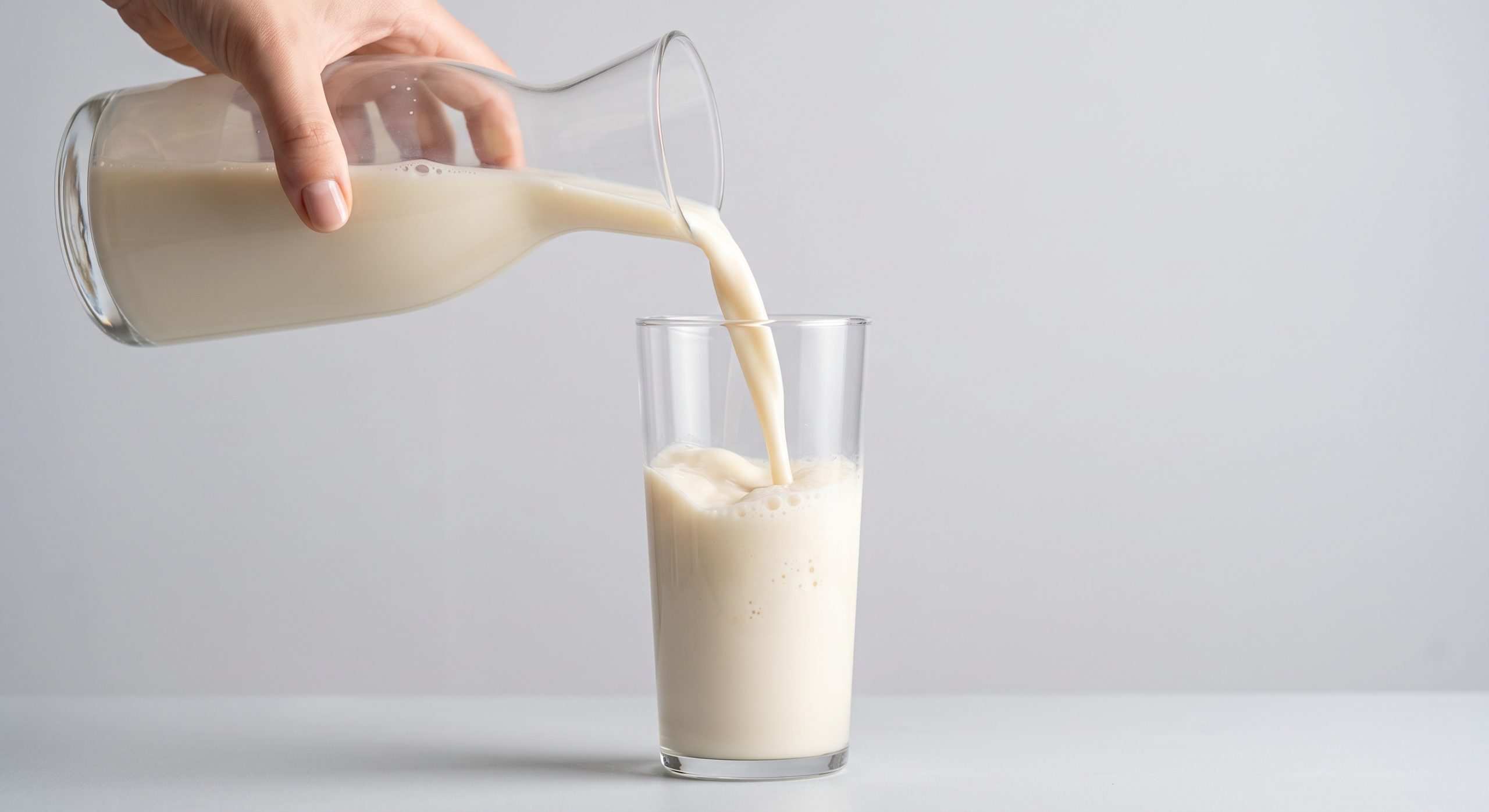
One of the biggest complaints about almond milk and skim oat milk is that they taste thin and watery compared to cow’s milk. Real dairy milk contains natural fats and milk proteins that coat the tongue, creating a rich, heavy feeling known as “mouthfeel.”
When you remove dairy fat, you have to replace that physical weight with something else. Soluble tapioca fiber acts as an excellent liquid bulking agent. It gently thickens the plant-based milk, adding body and weight to the liquid. This helps the dairy-free milk coat the tongue exactly like real whole milk. We use this exact same bulking science when we use soluble tapioca fiber to cut sugar by 30% in baked goods, proving how well it replaces missing physical mass in food and drinks.
Coffee shops are a massive market for plant-based milks. However, “barista blend” milks must perform perfectly when steamed and poured into hot, acidic coffee. If a plant milk is unstable, it will curdle, split, or fail to produce a thick, glossy foam for latte art.
Soluble tapioca fiber is a fantastic addition to barista formulations. Because it increases the overall solid content (Brix) of the liquid without adding actual sugar, it helps stabilize the milk structure. When the barista steams the milk, the fiber helps trap the tiny air bubbles, creating a dense, micro-foam that holds its shape in a hot cappuccino. Furthermore, its clean, neutral taste never masks the delicate roasted flavors of premium coffee beans.
To make plant-based milk safe to store on a room-temperature grocery shelf for a year, factories pump the liquid through Ultra-High Temperature (UHT) sterilization. The milk is flash-heated to extreme temperatures (over 135°C) for just a few seconds.
Many older fiber ingredients cannot handle this intense heat. They break down, lose their nutritional value, or cause the milk to turn an unappealing brown color (a process called Maillard browning). Soluble tapioca fiber is incredibly heat-stable. It has very low levels of reducing sugars, meaning it will not burn or darken the bright white color of your almond or oat milk. It survives the UHT heaters and the intense pressure of the factory homogenizers completely intact.
To understand why soluble tapioca fiber is the safest choice for beverage factories, look at how it compares to other common fiber ingredients used in the drinks industry. For a deeper scientific look into how these ingredients behave in the stomach, read our soluble tapioca fiber vs. inulin formulation guide.
| Fiber Ingredient | Liquid Clarity & Mixing | Mouthfeel (Texture) | Heat Stability (UHT) | Digestive Comfort |
| Soluble Tapioca Fiber | Excellent (dissolves totally clear) | Smooth, creamy, and thick | Excellent (no browning) | Very High (gentle on the gut) |
| Inulin (Chicory Root) | Good (mostly clear) | Thin to moderate | Good | Very Low (causes severe gas) |
| Insoluble Oat Fiber | Poor (sinks to the bottom) | Gritty, sandy, and chalky | Excellent | High |
| Xanthan Gum (Thickener) | Very Poor (hard to mix, clumps) | Slimy if used too heavily | Moderate | Medium |
Adding soluble tapioca fiber to your plant-based milk is the fastest way to enter the gut health market without a full product line overhaul. Because this fiber ferments slowly in the lower intestine, it acts as a healthy prebiotic, feeding the good bacteria in the gut without causing uncomfortable bloating.
This allows your brand to place highly sought-after health claims directly on the front of your carton, such as “Excellent Source of Prebiotic Fiber” or “Supports Digestive Health.” Before you finalize your new carton design, always consult our legal high fiber claim guide for the EU and US markets to ensure your new fiber measurements meet the strict regulatory laws in your region.
Producing a premium, functional plant-based milk requires an ingredient partner you can trust to deliver perfect purity. Blue Highcrest provides commercial-grade soluble tapioca fiber engineered specifically for the intense demands of liquid beverage manufacturing.
Our soluble tapioca fiber delivers:
Perfect Liquid Clarity: Dissolves completely to eliminate chalkiness and stop bottom-of-the-carton sludge.
Dairy-Like Creaminess: Naturally thickens watery plant bases to mimic the rich feel of whole cow’s milk.
Factory Ready: Available in easy-to-pump liquid syrups or fast-dissolving dry powders to match your factory’s exact mixing tanks.
Ready to add high fiber to your plant-based milk without ruining the taste or texture? Contact the technical sales team at Blue Highcrest to request a commercial sample, complete Certificates of Analysis (COA), and bulk factory pricing.
No. Soluble tapioca fiber is very low in sweetness—usually only about 15% as sweet as regular table sugar. It adds body and texture without turning your unsweetened almond or oat milk into a sugary-tasting dessert drink.
Because it is a complex, slow-fermenting fiber, soluble tapioca fiber is exceptionally gentle on the digestive system. Consumers can drink a full glass of fortified milk without experiencing the severe gas, cramping, or bloating often caused by older fibers like inulin (chicory root).
Both forms work excellently in beverages. If your factory has liquid pumps and syrup tanks, the liquid version mixes instantly into cold water. If your factory relies on dry-blending hoppers to mix your protein and oat powders first, the dry powder version will blend flawlessly into your dry mix before the water is added.
No. Because it is 100% water-soluble, the fiber becomes part of the liquid itself. Unlike insoluble proteins or raw starches, it will not separate or fall to the bottom of the carton during a long, 12-month ambient shelf life.