
The food industry is facing a massive shift. Millions of consumers are now using GLP-1 weight-loss medications. Because these drugs naturally lower appetite and make people feel full very quickly, these shoppers are eating much smaller amounts of food.
In the past, diet food brands focused on making snacks with the lowest possible calories. They filled products with air, water, and artificial sweeteners. Today, that old strategy is failing. Because GLP-1 users can only eat a few bites at a time, every single bite must be packed with real nutrition. For food brand directors and R&D technologists, the new goal is creating “nutrient-dense” foods. By using premium ingredients like pea protein isolate, soluble tapioca fiber, and cassava flour, food makers can build the exact high-protein, high-fiber foods this new market desperately needs.
Direct Answer: GLP-1 consumers eat much smaller portions, meaning they need extreme nutrient density to prevent muscle loss and stomach issues. Food brands must shift from “low-calorie” diet foods to high-protein, high-fiber formulations. By using pea protein isolate for muscle support and soluble tapioca fiber for gentle digestion, brands can create small, powerful snacks that keep these shoppers healthy and satisfied.
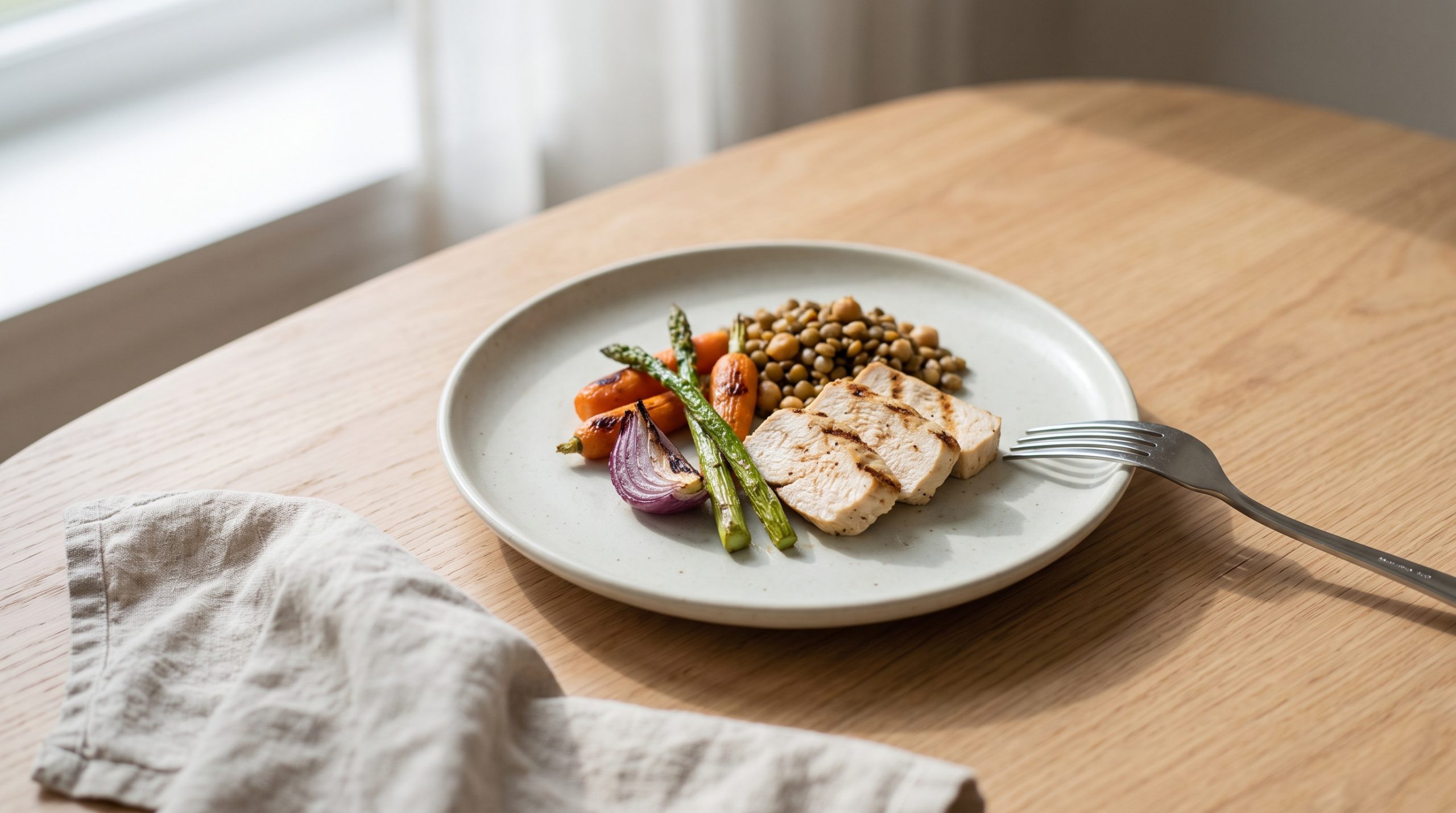
For decades, the golden rule of diet food was to reduce calories at all costs. Brands would whip air into ice cream or use cheap, empty starches to make large crackers that had zero nutritional value. The goal was to let the consumer eat a giant bowl of food without gaining weight.
The GLP-1 consumer does not want a giant bowl of empty food. Their medication already stops their hunger. What they actually worry about is malnutrition. Because they are eating so little, they struggle to get enough daily protein and fiber to keep their bodies running smoothly. They are actively searching the grocery aisles for small, heavy, nutrient-packed foods. They want a small protein bar or a dense cracker that gives them maximum health benefits in just three or four bites.
When people lose weight very fast on GLP-1 medications, they do not just lose fat; they often lose healthy muscle mass. Doctors heavily advise these patients to eat a massive amount of protein to protect their muscles.
This is a huge opportunity for food makers. Adding premium pea protein isolate to your snacks, baked goods, and drinks is the fastest way to attract these shoppers. Pea protein isolate delivers a massive 80% to 85% protein content. Because it is so pure, you can pack a huge amount of muscle-building power into a very small cookie or cracker without making it taste chalky or gritty.
To make the ultimate healthy snack for this market, many brands are mixing pea protein with clean-label root flours. You can learn exactly how to balance these ingredients in our guide on combining pea protein isolate and cassava flour for dual-claim snacks.
The second major problem for GLP-1 users is digestion. These medications work by slowing down how fast food leaves the stomach. While this keeps the person feeling full, it often causes severe stomach issues, particularly heavy constipation and bloating.
To fix this, these consumers are told to eat much more daily fiber. However, if you give them harsh, fast-fermenting fibers (like inulin), it will make their stomach pain even worse. You must use a gentle fiber.
Soluble tapioca fiber is the perfect solution. It ferments very slowly in the lower gut, providing a soothing, healthy prebiotic effect without causing painful gas or bloating. By simply swapping out cheap syrups for this gentle fiber, you can easily enter the gut health market without a product overhaul. It allows you to create soft, sweet bars and gummies that actively help GLP-1 users manage their daily stomach comfort.
To truly win over this new consumer, R&D teams must combine these functional ingredients correctly. You cannot just dump protein into a bowl; you need a clean, stable base to hold it all together. Cassava flour provides the perfect gluten-free, grain-free structure to hold high amounts of pea protein and tapioca fiber without falling apart.
Here is a look at how the old diet snacks compare to the new formulas required for the GLP-1 era:
| Feature | Old Diet Snacks (The Past) | New GLP-1 Formulations (The Future) |
| Main Goal | Largest portion size for the lowest calories. | Highest nutrition in the smallest bite. |
| Protein Source | Low protein; mostly empty wheat or corn flour. | High-dose Pea Protein Isolate to protect muscle. |
| Fiber & Digestion | Harsh fibers (inulin) or no fiber at all. | Gentle Soluble Tapioca Fiber for smooth digestion. |
| Carb Base | Highly processed, bleached wheat flour. | Clean-label, grain-free Cassava Flour. |
| Sweeteners | Artificial chemicals (aspartame, sucralose). | Low-sugar syrups mixed with natural stevia. |
Formulating for the GLP-1 market is not just a health trend; it is a highly profitable business strategy. Consumers are willing to pay premium prices for snacks that solve their specific medical and dietary problems. If you want to see the real financial math behind upgrading your ingredients, review our revenue case for a soluble dietary fiber product line.
When you launch these new products, your packaging must speak directly to the GLP-1 shopper. Highlighting “High Protein,” “Muscle Support,” and “Gentle Prebiotic Fiber” on the front of your box will instantly grab their attention. Just be sure to always verify your fiber math by checking our legal high fiber claim guide for the EU and US markets before printing your labels.
Creating nutrient-dense foods requires pure, high-quality ingredients that taste great and mix easily on the factory floor. Blue Highcrest provides the exact premium plant-based ingredients your brand needs to capture the growing GLP-1 market.
Our functional ingredient lineup offers:
Pea Protein Isolate: Ultra-pure, neutral-tasting protein to pack muscle-building power into tiny bites.
Soluble Tapioca Fiber: Gentle, slow-digesting syrup or powder to fix digestion without the bloat.
Cassava Flour: A clean, whole-root binder that holds your healthy snacks together perfectly.
Ready to upgrade your product line for the GLP-1 consumer? Contact the technical sales team at Blue Highcrest to request a commercial sample kit, complete Certificates of Analysis (COA), and wholesale pricing.
Yes. Because these consumers are focusing deeply on their overall health and repairing their bodies, they are highly educated about ingredient labels. They actively avoid highly processed artificial chemicals, heavy gluten, and cheap fillers, preferring clean-label root ingredients like cassava flour.
Even though GLP-1 drugs already reduce hunger, soluble tapioca fiber further helps balance blood sugar. It digests very slowly, which stops sudden blood sugar spikes and crashes. This steady energy keeps the consumer feeling comfortably full and stable throughout the day.
Absolutely. Both ingredients are excellent for RTD (Ready-To-Drink) beverages. Soluble tapioca fiber dissolves completely clear in water, and high-quality pea protein isolate can be homogenized into a smooth, creamy milk alternative, creating a powerful, easy-to-drink meal replacement.
If you use cheap pea protein concentrate, it will taste like raw, earthy vegetables. However, by using a premium, heavily washed pea protein isolate from Blue Highcrest, the earthy flavor is removed. This allows your chocolate, vanilla, or savory flavors to taste perfect, even at very high protein levels.