
The pet food industry is undergoing a massive transformation driven by the “humanization” of pets. Today’s pet owners do not just want cheap kibble; they demand the same high-quality, clean-label ingredients for their dogs and cats that they buy for themselves. This shift has caused a boom in the grain-free pet food market, forcing brands to completely rethink their carbohydrate sources. When removing traditional fillers like corn, wheat, and soy, food technologists face significant challenges in keeping kibble bound together, achieving the right crunch, and maintaining a healthy digestive profile for the animal.
By formulating with premium cassava flour and native tapioca starch, pet food manufacturers can overcome these extrusion and binding hurdles. These hypoallergenic, root-based carbohydrates provide exceptional structural integrity for dry kibble, excellent moisture retention for semi-moist treats, and a highly digestible energy source that aligns perfectly with premium, grain-free marketing claims.
Direct Answer: Cassava flour and tapioca starch act as high-performance, grain-free carbohydrate binders in premium pet food and treats. In high-shear extrusion, their high amylopectin content allows dry kibble to expand fully and lock into a durable, crunchy matrix that resists crumbling in the bag. For soft treats, they bind moisture tightly, preventing drying and extending shelf life, all while providing a highly digestible, hypoallergenic alternative to traditional wheat and corn.
For decades, commercial pet foods relied heavily on corn, wheat, and rice as their primary carbohydrate sources and structural binders. While cheap, these ingredients are increasingly linked to food sensitivities, skin allergies, and digestive distress in dogs and cats. As veterinarians and consumers push for hypoallergenic diets, brands are actively removing these top allergens from their recipes.
Cassava and tapioca are naturally 100% grain-free and gluten-free. They are considered novel carbohydrates in many global markets, making them the perfect foundation for limited-ingredient diets (LID) aimed at pets with severe food allergies. By utilizing these root ingredients, your brand can easily transition away from problematic grains. The mechanical and health benefits are nearly identical to the reasons human food factories use cassava as a premium allergen-free wheat flour substitute for food manufacturing.
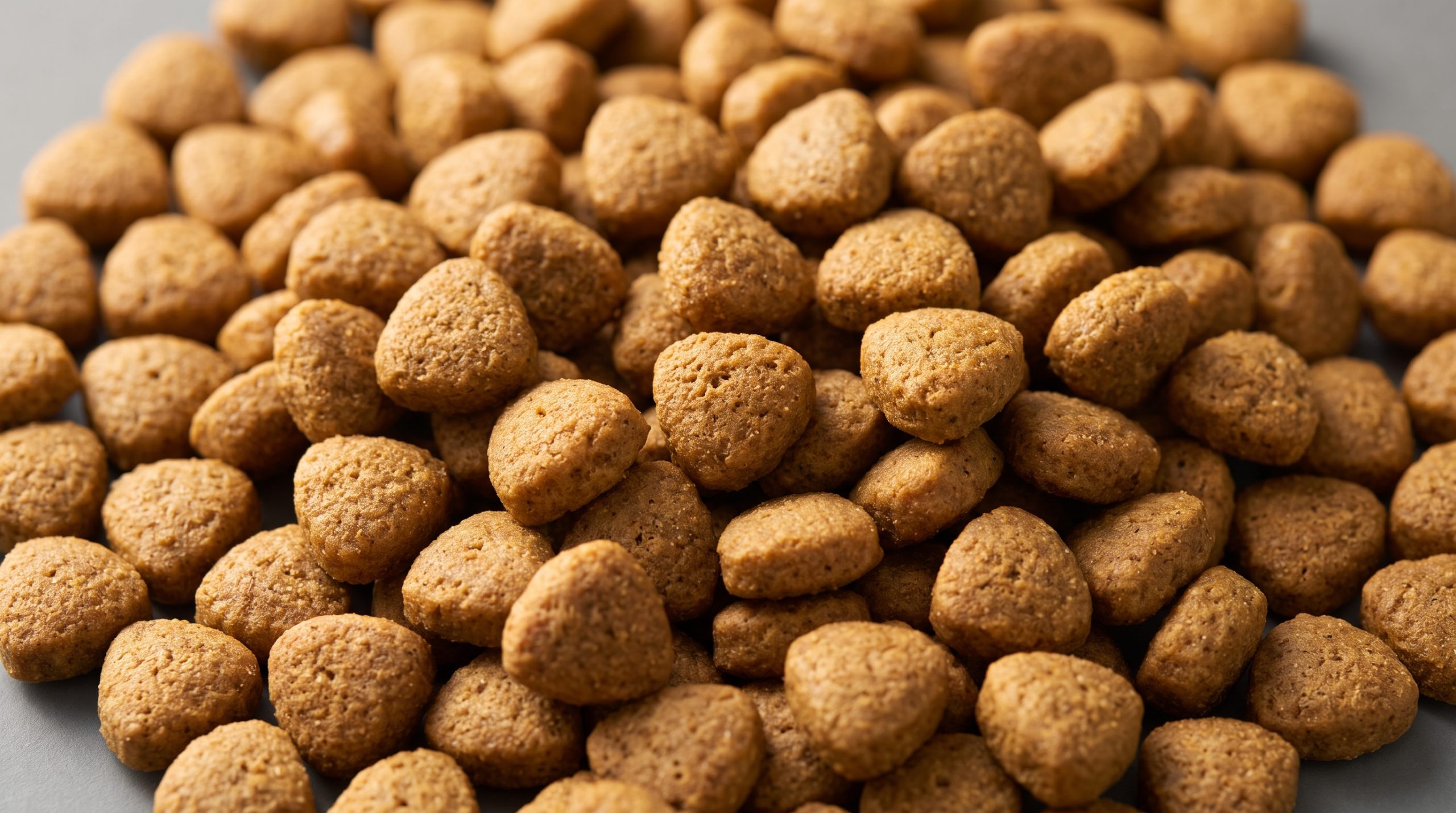
Producing dry pet food (kibble) is a highly aggressive manufacturing process. The raw dough is forced through a high-shear twin-screw extruder under intense heat and pressure. When the hot dough exits the die and hits normal air pressure, the water inside instantly turns to steam, puffing the kibble up. If the carbohydrate binder is weak, the kibble will either fail to expand (becoming a dense, tooth-breaking rock) or it will expand too much and shatter into dust during bagging and shipping.
Cassava flour and tapioca starch excel in this high-shear environment. They have a naturally low gelatinization temperature and a high level of flexible amylopectin starches. Inside the extruder, these starches melt into a strong, elastic dough. As the kibble exits the machine, it expands beautifully and dries into a tough, durable matrix. This guarantees a satisfying, audible snap when the dog chews it, which also aids in dental cleaning. To master the specific moisture and temperature settings required for this process, your R&D team should review our technical breakdown on cassava flour extrusion and crunch optimization.
The premium pet treat market is heavily focused on semi-moist training treats, soft jerky strips, and injection-molded dental bones. These products present a completely different challenge than dry kibble: they must retain high amounts of moisture and fat without growing mold or turning into hard bricks over a 12-month shelf life.
When determining which ingredient to use, food scientists must evaluate the specific water-binding needs of the treat.
Cassava Flour is ideal for baked biscuits and hearty jerky strips. Because it contains the whole root’s natural fibers, it absorbs water deeply and provides a rustic, meaty texture that holds heavy protein loads together.
Native Tapioca Starch is the ultimate choice for soft, semi-moist training treats and glossy dental bones. It traps water tightly in a clear, flexible gel, ensuring the treat stays soft, pliable, and easy to tear without crumbling.
Understanding when to use the whole root versus the pure starch extract is the key to minimizing your recipe costs while maximizing texture. For a deep dive into how these two ingredients behave differently in factory mixers, read our cassava flour vs. tapioca starch food technologist guide.
When R&D teams formulate a new grain-free diet, they typically test several different carbohydrate sources. Here is how cassava and tapioca compare to other common grain-free alternatives on the factory floor:
| Carbohydrate Source | Extrusion Expansion (Kibble) | Digestion / Allergen Profile | Binding in Soft Treats | Factory Cost Stability |
| Cassava Flour / Tapioca | Excellent (High, durable expansion) | Highly digestible, novel hypoallergenic | Excellent (Retains moisture and flexibility) | Highly Stable |
| Potato / Sweet Potato | Moderate (Can be dense or heavy) | Good, but increasingly common allergen | Moderate (Can dry out and crack) | Prone to seasonal price spikes |
| Pea / Legume Starch | Good | High risk of flatulence and anti-nutrients | Poor (Creates a crumbly, sandy texture) | Stable |
| Chickpea Flour | Low (Dense kibble structure) | Good, but can impart bitter flavors | Moderate | High / Expensive |
Pet food manufacturing operates on massive, continuous volumes. A single extrusion line can run thousands of tons of kibble per month. Procurement managers cannot risk a supply chain disruption, nor can they afford fluctuating starch qualities that would force the factory to constantly recalibrate the extruder’s water and heat settings.
Sourcing your carbohydrates directly from established, high-volume regions guarantees that you receive standardized moisture levels, exact particle sizing, and competitive bulk pricing. By cutting out unnecessary brokers and partnering directly with origin-level experts, you protect your brand’s profit margins against sudden commodity spikes. For a comprehensive look at how to build this direct supply chain for your pet food factory, explore our tapioca starch sourcing and procurement guide for Indonesia.
Transitioning your pet food lines to premium, grain-free formulas requires ingredients with absolute consistency and supreme binding power. Blue Highcrest supplies top-tier commercial pet food manufacturers with industrial-grade cassava flour and native tapioca starch engineered to withstand the extreme heat and shear of commercial extrusion.
Our premium pet food ingredients deliver:
Optimized Extrusion: High amylopectin levels ensure perfect kibble expansion, density, and reduced bag dust.
Hypoallergenic Purity: 100% grain-free, gluten-free, and novel carbohydrate sources for sensitive digestion diets.
Bulk Logistics: Available in 1,000kg jumbo bags and full bulk container liners for seamless integration into large-scale automated pet food factories.
Ready to eliminate grains and improve the crunch of your premium pet food? Contact the technical sales team at Blue Highcrest to request a commercial sample kit, complete Certificates of Analysis (COA), and bulk factory pricing.
Yes. Cassava flour and tapioca starch are widely recognized as safe and acceptable carbohydrate sources for pet food in major global markets, including North America (following AAFCO guidelines) and the European Union. They are classified as highly digestible, grain-free botanical carbohydrates.
Native tapioca starch is a highly digestible carbohydrate that provides fast energy, which is excellent for active or working dogs. For sedentary or overweight pets, formulators typically balance the tapioca starch with high levels of meat protein, healthy fats, and dietary fibers to slow down digestion and maintain a balanced glycemic response.
Cassava flour naturally binds with water and forms a hydrocolloid network. In soft treats, it acts as a humectant barrier, trapping the water molecules inside the treat’s structure. This prevents the moisture from evaporating into the air inside the packaging, ensuring the treat stays soft and chewy for months.
Absolutely. Many pet food brands are moving away from potato due to massive seasonal price spikes and supply shortages. Cassava flour is an excellent 1:1 structural replacement for potato flour in most extrusion recipes, offering very similar binding properties but with much better global supply stability.