
As the global population ages, food brands and medical caterers face a growing challenge: feeding seniors who have trouble swallowing. This medical condition, known as dysphagia, makes eating normal meals very dangerous. Thin liquids can easily go down the wrong pipe into the lungs, and dry, crumbly foods can cause severe choking. To keep patients safe, food scientists must create “texture-modified foods”—meals that are perfectly smooth, cohesive, and easy to swallow.
However, simply blending food into a watery puree is not enough. Purees often lack calories and protein, leading to severe weight loss and muscle loss in older adults. By carefully selecting the right base ingredients like premium tapioca starch, cassava flour, and pea protein isolate, R&D teams can create safe, easy-to-swallow foods that are packed with vital nutrition.
Direct Answer: To build safe texture-modified foods, food makers use tapioca starch to thicken liquids smoothly without lumps, cassava flour to bind purees so they do not fall apart in the mouth, and pea protein isolate to add vital muscle-building nutrition without causing a gritty, choking hazard. Together, these ingredients create safe, cohesive, and nutrient-dense meals for seniors.
When designing food for dysphagia patients, texture is a matter of life and death. Medical standards, like the IDDSI (International Dysphagia Diet Standardisation Initiative) framework, require foods to behave in very specific ways.
If a thickened juice is too thin, it moves too fast for the patient’s throat muscles to catch it. If a puree has hidden lumps, seeds, or gritty powders inside it, it can trigger a dangerous coughing fit. The food must be totally smooth, and it must hold together in one soft piece (cohesive) while sliding down the throat. To achieve this perfect “slide,” factories cannot rely on basic wheat flours or cheap starches, which often clump up or separate over time.
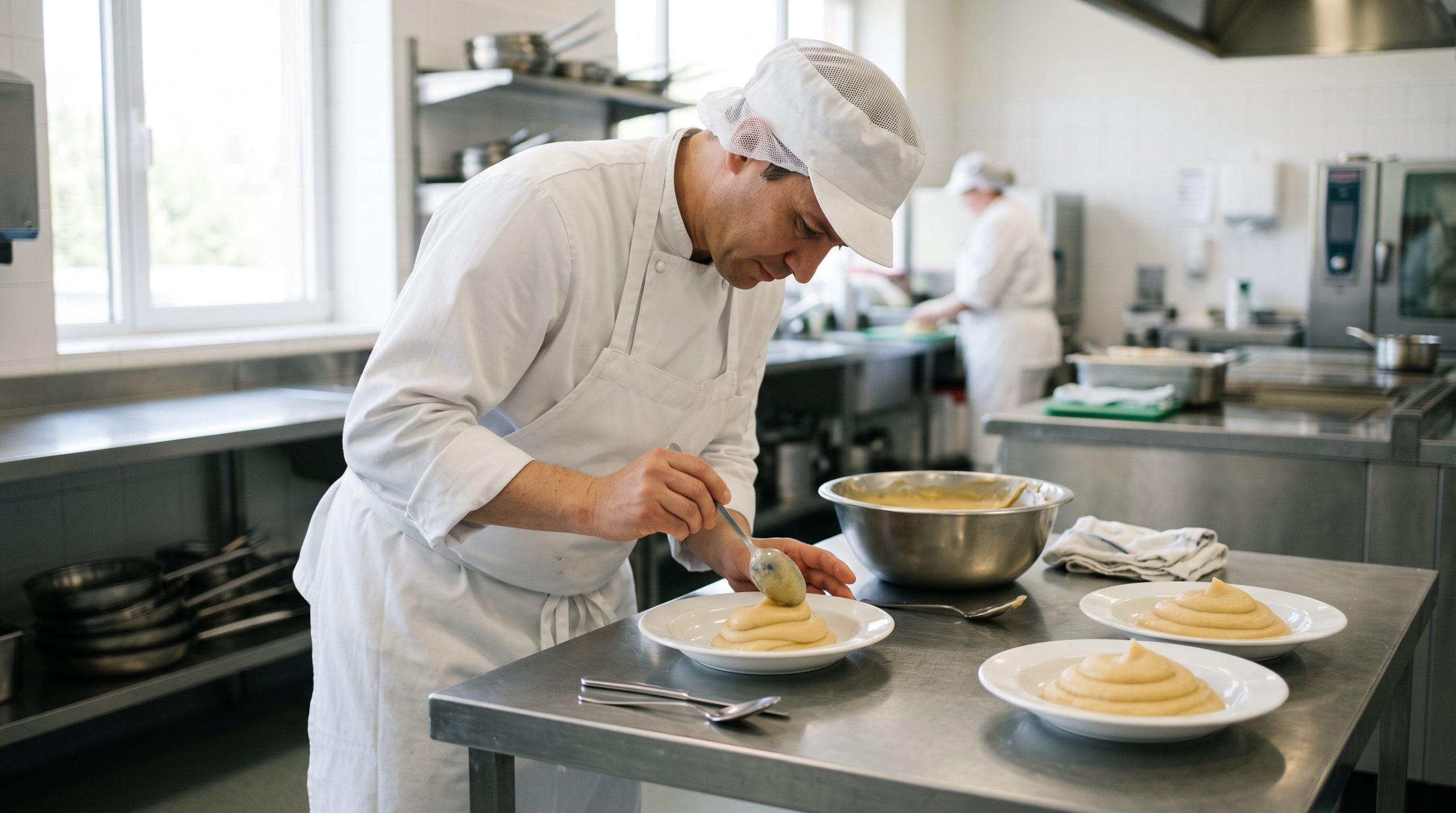
To thicken soups, juices, and medical drinks, native tapioca starch is a superior choice. Unlike corn starch, which can turn into a stiff, cloudy gel that hardens in the refrigerator, tapioca starch creates a smooth, clear, and highly flexible liquid.
When added to hot purees, tapioca starch drinks up the water and forms a slick, glossy texture. This slickness helps the food slide safely down the throat. More importantly, tapioca starch holds onto the water tightly. It stops the food from “weeping” or leaking thin water puddles on the plate, which is a major choking risk for patients. Depending on how long your food needs to sit on a shelf or in a freezer, you must choose the correct grade. You can learn how to make this choice in our native vs. modified tapioca starch application guide.
Seniors desperately need high amounts of protein to stop their muscles from wasting away. But adding protein powder to a liquid or puree usually ruins the smooth texture. Cheap plant proteins are full of rough fibers that do not dissolve. When a senior eats them, the gritty texture feels like sand in the throat, which can cause choking or extreme discomfort.
To fix this, food technologists must use a highly purified Pea Protein Isolate. Because the rough fibers are washed away during the manufacturing process, the isolate powder dissolves completely into the food. It provides a massive dose of protein (over 80%) while keeping the puree velvety and creamy. This is the exact same smoothing science we use when optimizing pea protein isolate in dairy-free yogurt gelation.
In premium elderly care homes, chefs try to make pureed food look like real meals. They use silicone molds to shape pureed chicken back into the shape of a chicken breast, or pureed carrots back into the shape of a carrot. This helps seniors feel dignity and enjoy their meals more.
However, a molded puree will quickly melt or crumble apart if it does not have a strong binder. Cassava flour is an excellent whole-root binder for these solid-yet-soft foods. Because it contains both natural starches and soft plant fibers, it glues the puree together perfectly. The food holds its molded shape on the plate but instantly melts into a safe, soft paste as soon as it is pressed against the roof of the mouth. This clean-label binding power is also highly valued when replacing E1442 and modified starches with native tapioca starch in commercial meat and sauce processing.
To ensure patient safety, R&D teams must select ingredients that guarantee a smooth, stable texture. Here is how premium root and pea ingredients solve common dysphagia food problems:
| Ingredient | Texture Function | Dysphagia Safety Benefit | Nutritional Value |
| Native Tapioca Starch | Thickens liquids smoothly | Prevents thin water separation (weeping) | High carbohydrate energy |
| Cassava Flour | Binds purees into soft solids | Stops food from crumbling in the mouth | Clean-label whole food base |
| Pea Protein Isolate | Dissolves without any grit | Prevents coughing fits caused by sandy textures | Protects against muscle loss |
| Cheap Protein Concentrates | Leaves heavy, raw fibers | HIGH RISK: Gritty texture triggers coughing | Poor digestion for seniors |
Producing food for vulnerable populations requires total trust in your supply chain. Just like allergy-free airline meals, medical foods must be completely free from cross-contamination. If an undeclared allergen makes its way into a hospital puree, the results can be disastrous.
By using cassava flour and tapioca starch, you guarantee a 100% gluten-free, nut-free, and allergen-free base for your medical meals. To understand how strict large-scale catering operations protect their buyers, review our guide on gluten-free menu management for airline and cruise line foodservice.
Formulating life-saving, texture-modified foods requires raw materials with exact consistency and absolute purity. Blue Highcrest provides commercial food factories and medical caterers with the ultra-smooth, high-quality ingredients needed to protect aging consumers.
Our medical-grade ingredient solutions offer:
Zero Grit: Ultra-fine milling and washing to ensure completely smooth, cough-free textures.
High Hydration: Starches that lock in moisture, preventing dangerous liquid separation on the plate.
Total Allergen Safety: Manufactured in strict, dedicated facilities to keep your medical foods 100% safe.
Ready to improve the safety and nutrition of your texture-modified foods? Contact the technical sales team at Blue Highcrest to request a commercial sample kit, complete Certificates of Analysis (COA), and wholesale pricing.
This happens when you use a starch that suffers from “retrogradation,” like normal corn starch. When it gets cold, the starch squeezes the water out. Using tapioca starch fixes this, as it holds onto water much tighter in cold temperatures, keeping the soup perfectly thickened.
No. Cassava flour and native tapioca starch must be heated to at least 65°C to “cook” (gelatinize) and thicken the liquid. If you need to thicken cold juice right at the hospital bedside, you must use a specialized “pre-gelatinized” (instant) starch or a gum-based thickener.
No, as long as you use a premium grade. Older seniors often have very sensitive taste buds. Blue Highcrest pea protein isolate is heavily washed to remove the bitter, earthy flavors found in cheap pea powders, leaving a clean taste that mixes perfectly with sweet or savory purees.
No. Boiling or steaming the pureed food to ensure it is hot and safe from bacteria will not destroy the amino acids in the pea protein. It will still provide the full nutritional value to the patient.