
For food scientists making plant-based Ready-To-Drink (RTD) protein shakes, getting a smooth, milk-like texture is a huge challenge. Unlike dairy milk, plant proteins naturally want to sink to the bottom of the bottle. Without the perfect recipe, the beverage will suffer from heavy settling (sedimentation), a chalky mouthfeel, and severe separation after it goes through extreme factory heating.
To solve this, factories cannot just mix raw protein powder into water. They must use advanced processing and highly purified ingredients to keep the protein floating perfectly inside the liquid for months on the grocery store shelf.
Direct Answer: To prevent settling and chalkiness in RTD beverages, food makers must use a highly soluble pea protein isolate. By fully soaking the powder before heating and using high-pressure mixing (homogenization), the tiny protein particles stay suspended in the liquid. This stops the heavy, sandy layer that often falls to the bottom of the bottle after intense factory sterilization.
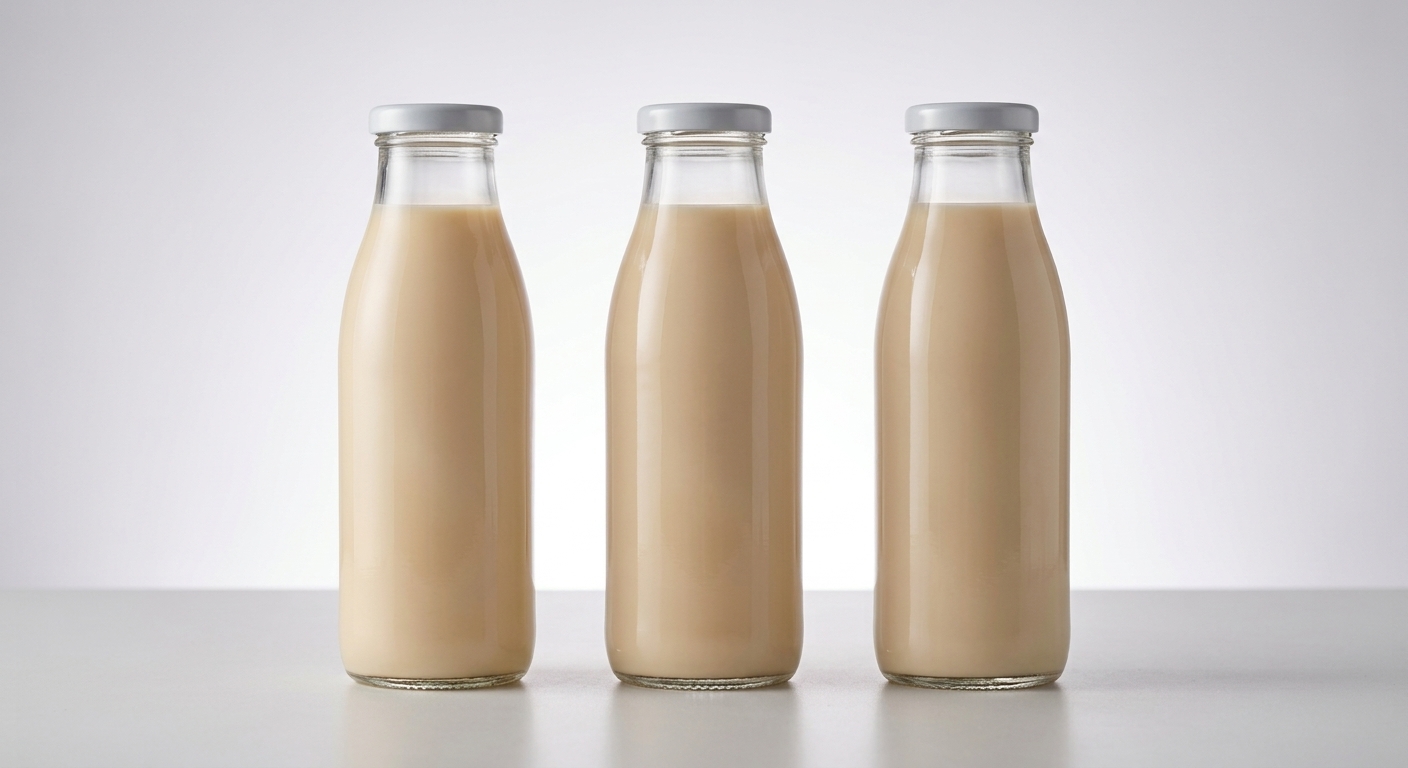
The main cause of a chalky protein shake is insoluble fiber. When factories use lower-grade plant proteins, rough fibers fail to dissolve. When a customer drinks it, these fibers scrape against the tongue, creating a dry, sandy feeling. This is the exact same mechanical issue that ruins the texture of baked goods, as we explain in our guide on fixing pea protein isolate high-protein bakery chalkiness.
Switching to a premium isolate grade removes these heavy fibers completely. Once the heavy fibers are gone, the fine protein particles can absorb water fully. This creates a creamy texture that mimics real dairy milk.
Furthermore, commercial RTD beverages go through extreme heat treatment, like Ultra-High Temperature (UHT) or retorting, to make them safe to store at room temperature. This intense heat causes proteins to clump together. To prevent the drink from separating after heating, formulators must carefully control the acid levels (pH) of the liquid. Understanding how heat affects plant protein is also critical for solid foods, as seen in our breakdown of pea protein isolate in dairy-free yogurt gelation.
Even with the best protein powder, a factory must mix the drink correctly to keep it stable. You cannot just stir the protein into the water and bottle it. The liquid must go through a machine called a homogenizer.
A homogenizer forces the liquid through a tiny opening under massive pressure. For RTD plant milks, R&D teams usually use a two-stage process. The first high-pressure stage breaks the protein and fat particles down into microscopic sizes. The second, lower-pressure stage stops those tiny particles from sticking back together. By crushing the protein into such small pieces, it becomes too light to sink to the bottom of the bottle. This guarantees your drink stays smooth and mixed, even if it sits on a shelf for a year.
Picking the right grade of raw material will make or break your liquid processing line. Trying to save money on cheap protein will cost you more when your factory lines clog up. For a deeper look at your ingredient costs, review our pea protein isolate vs. pea protein concentrate formulation guide.
| Feature | Premium Pea Protein Isolate (80%+ Protein) | Pea Protein Concentrate (65% Protein) |
| Liquid Mixing | Excellent (stays floating in the liquid easily) | Very poor (heavy fibers sink to the bottom quickly) |
| Consumer Texture | Smooth, creamy, and clean | Gritty, sandy, and chalky |
| Heat Survival | Stays liquid during high-heat UHT processing | High risk of clumping and turning into a thick paste |
| Flavor Profile | Clean and neutral | Tastes like earthy, raw vegetables |
Scaling up a smooth, shelf-stable protein shake requires a highly refined ingredient partner. Blue Highcrest provides commercial-grade pea protein isolate engineered specifically for perfect liquid mixing in large factories. Discover more about our shipping and logistics in our pea protein isolate bulk sourcing in Europe overview.
Our premium pea protein isolate offers:
Ultra-Fine Milling: Stops chalkiness and ensures the powder stays perfectly mixed in your beverages.
High Heat Stability: Survives UHT and retort processing without clumping or breaking down.
Clean Flavor: Washed thoroughly to remove bitter, earthy tastes, letting your chocolate or vanilla flavors stand out.
Ready to stop your protein drinks from separating and settling? Contact the technical sales team at Blue Highcrest to request a commercial sample kit, complete Certificates of Analysis (COA), and wholesale factory pricing.
This slimy layer is called sedimentation. It happens when heavy, insoluble protein particles or fibers separate from the water and sink over time. Using a highly purified pea protein isolate and mixing it under very high pressure (homogenization) will stop this from happening.
While pea protein isolate mixes very well into creamy, milk-like shakes, it is generally not used for perfectly clear protein waters. Even the most highly refined pea protein will leave the liquid slightly cloudy or milky. Clear protein waters usually rely on specialized whey isolates or highly hydrolyzed collagen.
No. While extreme heat causes the physical shape of the protein to change (which can cause clumping if not managed properly), it does not destroy the nutritional value. The drink will still deliver the exact amount of amino acids and protein promised on your nutrition label.
The “beany” or earthy taste comes from natural oils left inside cheap pea protein powders. You must use a premium pea protein isolate that has been heavily washed and filtered during manufacturing. This removes those bad flavor oils, leaving a neutral taste that is easy to cover up with natural sweeteners and flavors.