
For years, the sports nutrition and food industry was strictly divided into two camps: 100% dairy proteins (like whey) and 100% plant proteins (like pea or soy). Today, food scientists and brand directors are breaking down those walls. A massive new category is taking over the market: Hybrid Protein Blends.
By mixing premium plant proteins with animal or lab-grown proteins, factories can create the ultimate super-blend. However, mixing different proteins together is tricky. If you use a cheap, gritty plant powder, it will completely ruin the smooth texture of the dairy. By using a highly purified pea protein isolate as your base, you can perfectly balance the amino acids, lower your factory costs, and create a smooth, delicious product that appeals to modern “flexitarian” consumers.
Direct Answer: Pea protein isolate acts as the ideal foundation for hybrid protein formulas. Because of its neutral flavor and smooth texture, it blends seamlessly with whey, casein, or new fermentation-derived proteins. This hybrid approach allows food makers to lower their raw material costs and reduce their carbon footprint while delivering a complete amino acid profile and a superior, dairy-like mouthfeel.
Consumers want it all. They want the muscle-building power of dairy, but they also want to eat more plants to protect the environment. Hybrid blends give them the best of both worlds.
For brand owners and procurement teams, hybrid blending solves major business problems:
Lowering Costs: Whey protein prices can spike suddenly due to milk shortages. Pea protein is much more stable and affordable. By swapping 30% to 50% of the whey in your formula for pea protein isolate, you protect your budget.
Better Amino Acids: Pea protein is very high in an amino acid called arginine, but lower in methionine. Dairy proteins are the exact opposite. When you mix them together, they complete each other perfectly, giving the consumer a massive nutritional boost.
Lower Carbon Footprint: Cows produce a lot of greenhouse gases. By replacing half of your dairy protein with plant protein, your brand instantly becomes more sustainable.
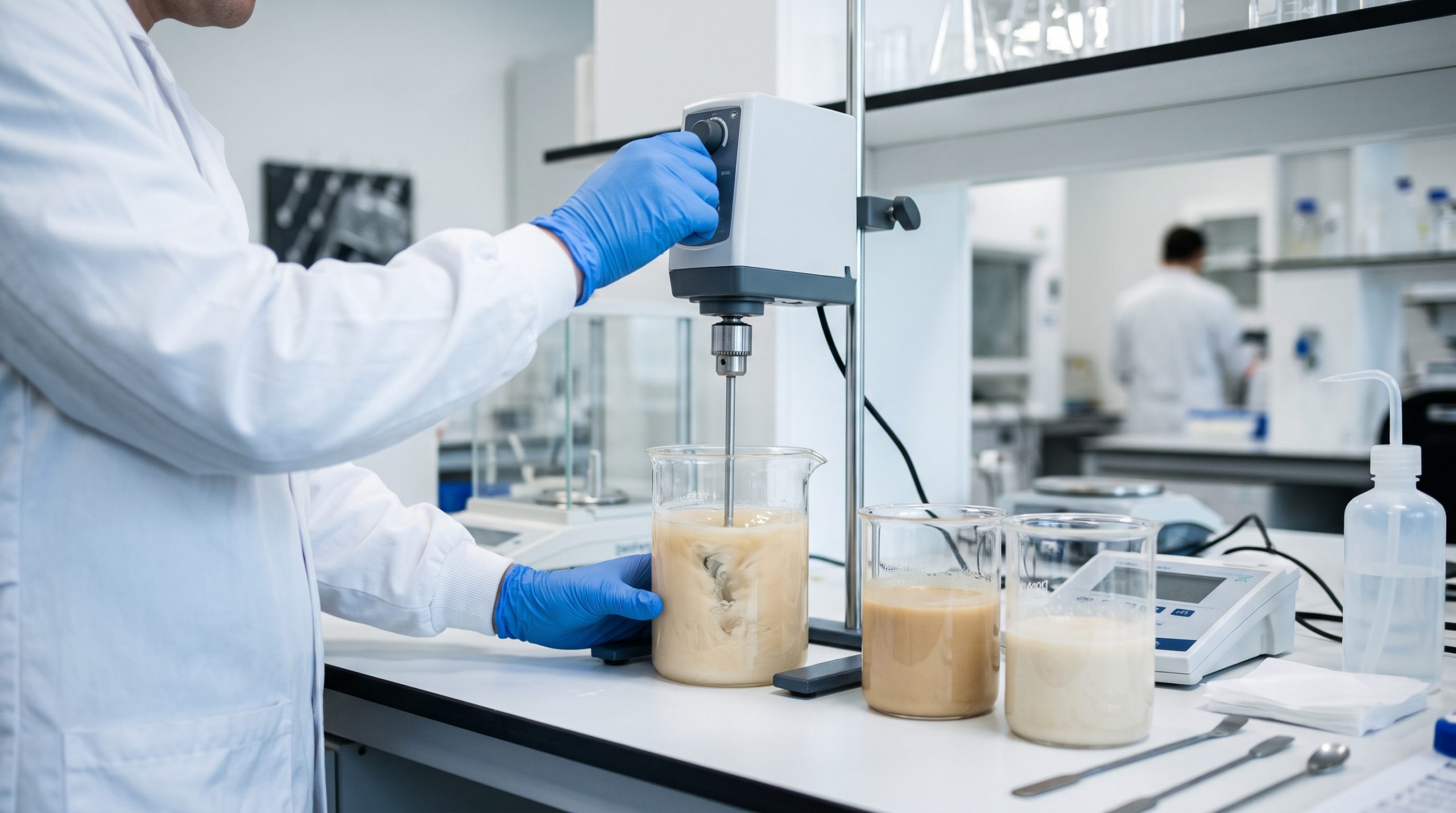
The most exciting trend in food tech is “precision fermentation.” Scientists have figured out how to use yeast and micro-flora to brew real dairy proteins (like whey) in a tank, without ever using a cow. This creates an “animal-free dairy” protein that is 100% vegan but acts exactly like real milk.
The problem? These new lab-grown proteins are incredibly expensive to make right now.
To bring the cost down so normal consumers can afford it, R&D teams are blending these expensive fermented proteins with premium pea protein isolate. The fermented protein provides the creamy, milky texture, while the pea isolate provides the heavy, affordable protein bulk. If you are building a supply chain for these futuristic blends, you need a reliable partner. Review our guide on pea protein isolate bulk sourcing in Europe to see how to secure large factory volumes safely.
When blending pea protein with whey or fermented dairy, the biggest risk is ruining the texture. Dairy proteins dissolve beautifully into water, creating a smooth, silky drink. If you mix in a cheap pea protein concentrate, the drink will suddenly feel like sand.
To make a successful hybrid blend, you must use a highly purified Pea Protein Isolate. Because the rough plant fibers are washed away during manufacturing, the isolate powder is incredibly fine. It matches the smoothness of the dairy protein. If you do not understand the difference between these two grades, you will waste money on ruined batches. Read our deep dive into pea protein isolate vs. pea protein concentrate formulation before you order your raw materials.
This exact same rule applies when making solid foods. If you are baking a hybrid protein cookie, a cheap plant protein will suck all the water out of the dough. Discover how to stop this dry, crumbly texture in our guide on fixing pea protein isolate high-protein bakery chalkiness.
Hybrid proteins are not just for shakes and beverages. Brands are using them to make high-protein chips, puffs, and soft-baked bars.
When you make a solid hybrid snack, you need a clean carbohydrate base to hold the mixed proteins together. Traditional wheat flour can make the dough too heavy, and rice flour can make it too brittle. Cassava flour is the perfect clean-label partner for hybrid proteins. It is naturally stretchy and holds moisture beautifully. Learn exactly how to balance your protein and flour ratios in our protocol for combining pea protein isolate and cassava flour for dual-claim snacks.
To help your R&D team decide if a hybrid blend is right for your next product launch, look at how a 50/50 mix compares to using just one type of protein:
| Formulation Strategy | Factory Cost | Amino Acid Profile | Mouthfeel & Texture | Carbon Footprint |
| 100% Dairy (Whey/Casein) | Very High | Excellent (Complete) | Perfectly smooth and creamy | Very High (Heavy animal impact) |
| 100% Pea Protein Isolate | Low / Highly Stable | Good (Needs minor balancing) | Smooth, but slightly thicker | Very Low (Earth-friendly) |
| Hybrid Blend (50% Pea / 50% Dairy) | Medium (Cost-Optimized) | Excellent (Perfect balance) | Very smooth and creamy | Moderate (Much greener than pure dairy) |
| Hybrid Blend (Pea + Fermented Dairy) | High (Due to new tech) | Excellent (Complete) |
Formulating a successful hybrid product requires a plant protein that doesn’t fight against your premium dairy or fermented ingredients. Blue Highcrest provides commercial-grade, non-GMO pea protein isolate engineered for perfect blending.
Our premium pea protein isolate delivers:
Ultra-Fine Particle Size: Milled perfectly to match the smooth, grit-free texture of whey and casein.
Neutral Flavor Profile: Extensively washed to remove the strong, earthy “beany” taste, letting your delicate vanilla and chocolate flavors shine.
High Purity: Guaranteed minimum 80% protein content to easily hit your high-protein label claims.
Ready to lower your whey costs and create the ultimate hybrid protein formula? Contact the technical sales team at Blue Highcrest to request a commercial sample kit, complete Certificates of Analysis (COA), and wholesale pricing.
No. While whey protein isolate can be made perfectly clear in water, pea protein isolate is naturally cloudy. If you mix them together, the drink will become milky and opaque. Hybrid blends are best used in creamy shakes, smoothies, and solid snacks.
Generally, no. Pea protein isolate is highly digestible and free from the major allergens found in soy or wheat. However, if the consumer is lactose intolerant, the dairy portion of your blend might cause them issues unless you use a lactose-free whey or a fermentation-derived animal-free protein.
It depends on the mixing process. Pea protein naturally absorbs water slightly slower than whey. To ensure your hybrid powder mixes perfectly in a shaker cup, many factories use a process called “agglomeration” (adding a tiny bit of sunflower lecithin) to help the blended powders dissolve instantly in cold milk or water.
You simply list both ingredients in order of their weight. For example, if you use more pea protein than whey, your label will read: “Protein Blend (Pea Protein Isolate, Whey Protein Concentrate).” This transparency is highly valued by modern consumers.